Submit News
 About us
 Advertise
 Contact us


 Aug 10, 2026
  2 min read
 Young cricketers vie for Under-13 spots as DCB tour...
Forty young cricketers from three teams will battle for spots on Demerara’s Under-13 squad when the Demerara Cricket Board’s 2026 Under-13 Tournament...


10 Aug 2026

Forty young cricketers from three teams will battle for spots on Demerara’s Under-13 squad when the Demerara Cricket Board’s 2026 Under-13 Tournament...

Rohan Albert claimed victory in the ENet Golf Tournament at Lusignan Golf Club on Sunday, carding a Gross 90, Handicap 19 and...

The Caribbean Court of Justice (CCJ) has reaffirmed its commitment to judicial independence, integrity and public confidence in the administration of justice,...

 Region 6 shrimp production sees rapid growth with 150 farmers now onboard


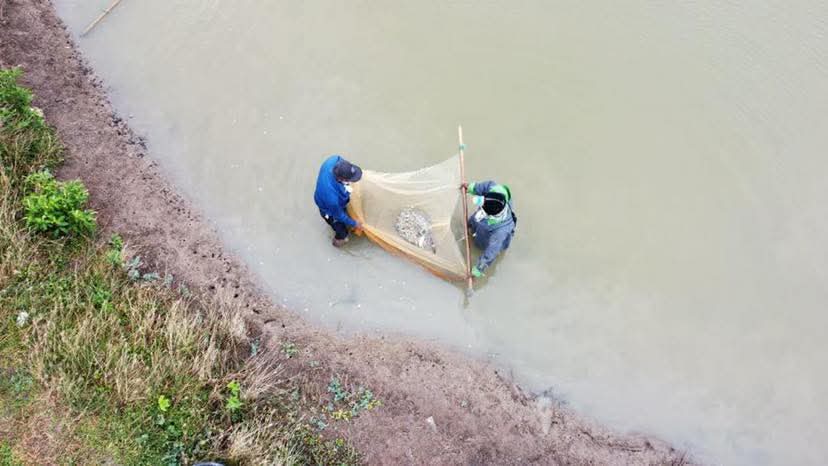
On Saturday, brackish water shrimp farmers in Central Corentyne, Region 6, met with Agriculture Minister Hon. Zulfikar Mustapha at the Albion Sports Complex to review the progress of the government-supported shrimp farming project.
He pointed out that the number of participating farmers has nearly doubled, from 80 to 150. At the same time, Minister Mustapha praised the initiative’s success, highlighting the significant growth in production. “Since we started, over $600 million has been invested in this project,” he said. “This investment helped move production from 10,000 kilograms to 120,000 kilograms. That is a huge achievement for all of you.”
While noting the impressive figures, the Minister emphasized that the project’s benefits should extend to the wider population. “We need to ensure that the prices for shrimp reflect the increase in production. When the government invests in a project, it is not for a single group-it is for the entire country to benefit.”
He also highlighted Guyana’s resurgence in agriculture and sustainable development. “When we took office in 2020, Guyana had lost its leadership in CARICOM’s agriculture sector. Within five years, we regained that position and placed Guyana on the world map for agriculture. We are also leading in climate change strategies and energy development.”
Looking ahead, Minister Mustapha encouraged farmers to continue expanding production while building a sustainable and profitable industry. “When you sell your shrimp, the money stays in the community. It goes to the shops, to families, and back into the local economy. That is the real benefit-direct and indirect-for everyone.”