Submit News
 About us
 Advertise
 Contact us

 Aug 09, 2026
  1 min read


The Caribbean Community (CARICOM) is set to intensify reparations talks with King Charles III at the Commonwealth Heads of Government Meeting in Antigua this November, following up on the 2024/2025 Samoa consensus to initiate discussions on reparatory justice regarding the transatlantic trade in enslaved Africans and chattel enslavement.
The Samoa conference delivered a final agreement officially recognising that “the time has come” for a “meaningful, truthful and respectful conversation towards forging a common future based on equity”.
The UK rejected talks on financial compensation, with discussions now focusing on reparatory justice, including apologies, cultural restitution and economic support.
Dorbrene O’Mare, head of the Antigua and Barbuda Reparations Committee, said it is expected that the November conference will see these conversations deepening.
“The resolution taken in the Samoa Commonwealth Heads of Government meeting… that called for focus on these issues of reparations, so we certainly expect a continuation of those conversations within the Commonwealth Heads of Government conference,” he stated.
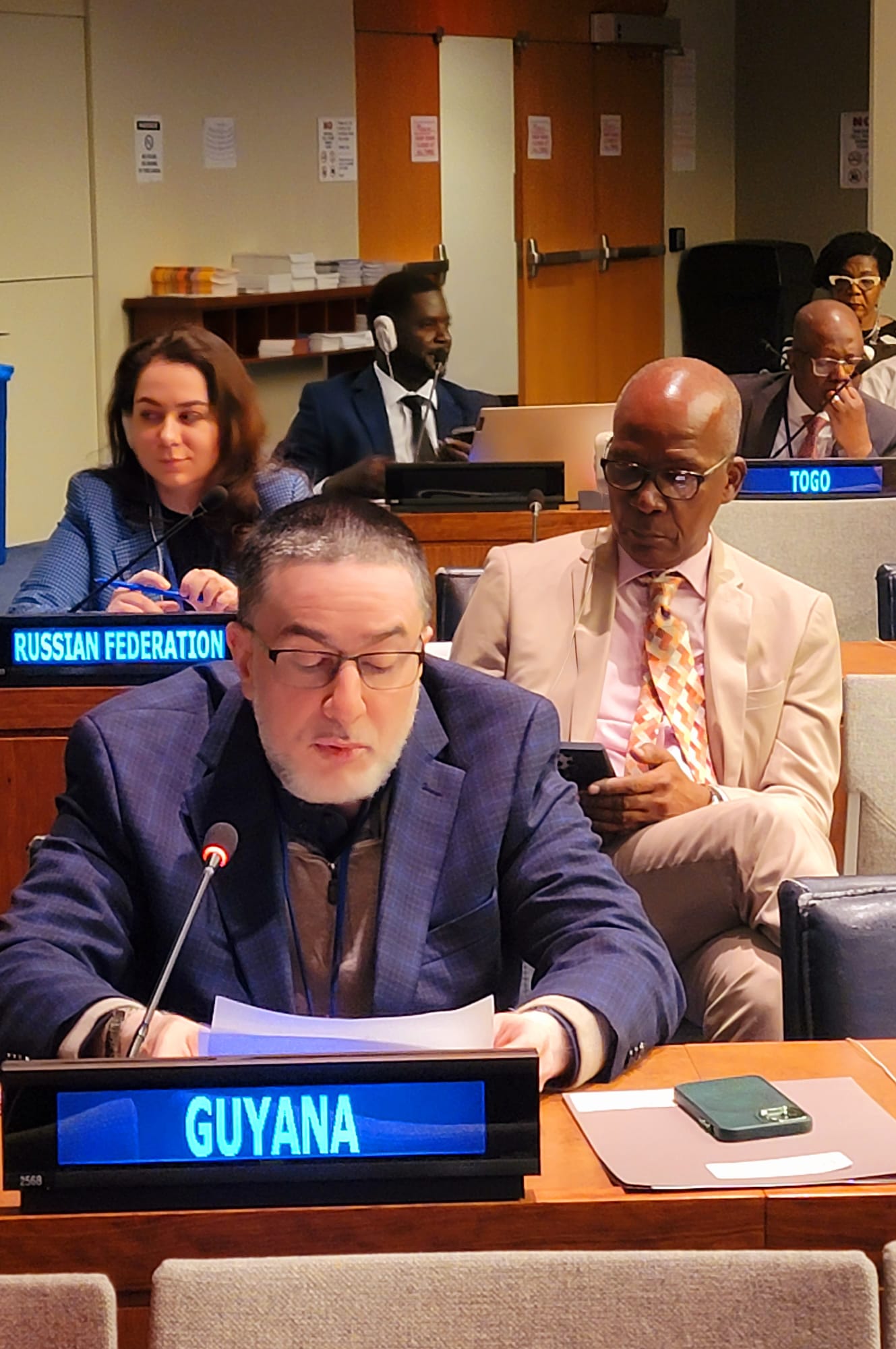
Guyana’s Reparations Committee Chairman Eric Phillips said that while Britain abstained from the United Nations’ recent recognition of slavery as the greatest crime against humanity, it holds under its Commonwealth banner more than 50 nations, the majority bearing British colonial imprint.
He added that while King Charles the First played a formative role in the expansion of the English slave trade through royal assent for trading in Africa in 1660, King Charles the Third has the unique opportunity to earnestly address the nation’s role.
“King Charles the Third commands a unique opportunity to bring moral clarity to Britain’s role in the transatlantic slave trade and its aftermath. His Majesty could choose to be a transformational leader in the quest for healing reparations and historical truth,” Phillips posited.
Apart from the Commonwealth conference, the CARICOM Reparations Commission has planned several events to globalise the region’s agenda, including a major international conference set for later this year.

US Deputy Secretary of State to meet President Ali,...
US Deputy Secretary of State Christopher Landau will travel to Trinidad and Tobago and Guyana from August 9-12, the US Department of...