Submit News
 About us
 Advertise
 Contact us


 Aug 09, 2026
  1 min read

US Secretary of State Marco Rubio is set to discuss the strengthening of security cooperation with Guyana and the country’s energy potential when he meets with the government on Thursday.
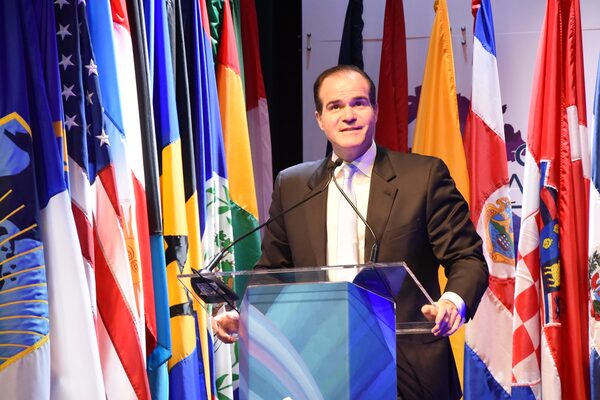
US envoy to Latin America Mauricio Calver-Caron stated that the senior official will address Guyana and Suriname’s energy potential as alternative sources of energy, particularly as substitutes for sanctioned Venezuelan crude, which some Caribbean nations continue to purchase to meet their energy needs.
President Donald Trump recently announced a 25 percent tariff on trade with any nation that buys Venezuelan oil. As a result, Guyana and Suriname are being positioned as alternative energy suppliers for the Caribbean.
“I think we have a great opportunity here. In terms of energy security, the Secretary’s focus on this trip to Guyana and Suriname is really about ensuring that these countries are no longer dependent. It’s about enabling Caribbean nations to move away from reliance on Venezuelan oil and the schemes and extortion that came with PetroCaribe,” the US envoy stated.
He explained that the Caribbean has a historic opportunity to enhance its energy security. The oil and gas sectors in Guyana and Suriname, combined with the revitalisation of Trinidad and Tobago’s energy industry, could provide a sustainable regional solution.
“And that’s where our focus should be—preventing a return to past troubles and the dependency on Venezuelan oil, which created numerous challenges for Caribbean nations.”
Regarding Guyana’s security, the envoy emphasised the potential for a greater security cooperation agreement between the two nations, especially in light of ongoing threats from Venezuela.
“I think there’s a significant opportunity for Guyana’s development and security, particularly given the threats posed by Venezuela,” he stated.
He also commended the region’s support for Guyana in defending its territorial sovereignty and reaffirmed that the United States is committed to ensuring Guyana has the security resources necessary to continue developing its energy industry, which in turn benefits its Caribbean partners.