Region Three: $50B to transform dams into all-weather roads

The government is creating its five-year strategy to transform agriculture and food production, with Region Three positioned as a crucial driver in this push for a productive farming sector.

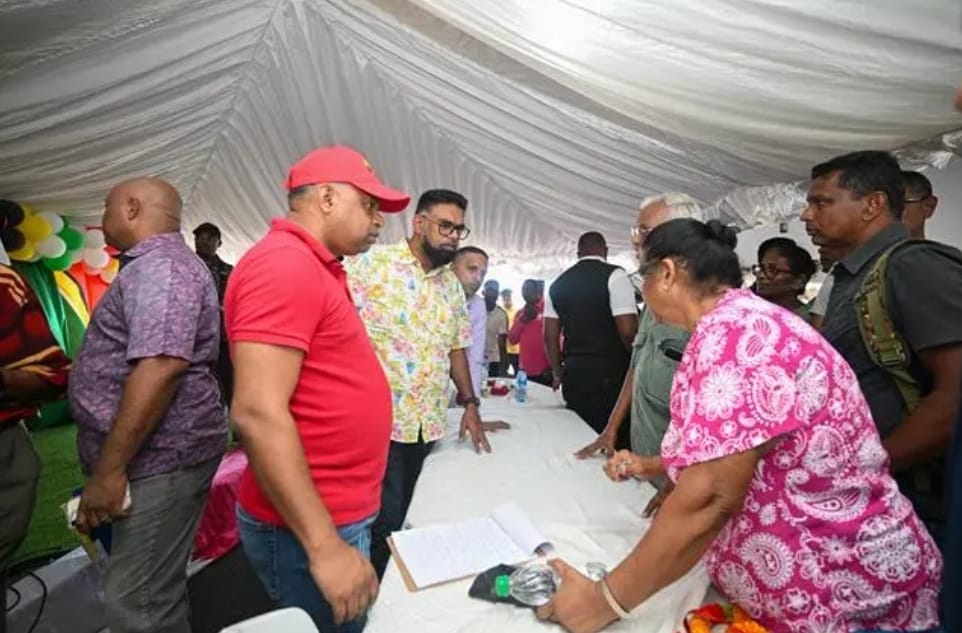
President, Dr Mohamed Irfaan Ali continued his engagement on Sunday with important stakeholders, including farmers and fisherfolk, at the National Track and Field Facility in Leonora, Region Three.

The Head of State explained that the nation’s food strategy cannot adopt a one-size-fits-all model.

Instead, the president said, it must be grounded in each region’s unique competitive advantages, through targeted investments by the government.

For example, despite distributing over 1,000 agricultural leases in Region Three over the last four years, farmers continue to face three main issues: lack of productive lands, underutilised existing lands, and high production costs due to lack of access.

In addressing this issue, the government is conducting an audit of all the farm-to-market access dams in Region Three and will put aside massive resources to transform these dams.

“We are going to set aside $50 billion [in the initial phase] to [transform] all of those farms to market access dams – into all weather, hard surface roads,” President Ali announced.

By creating new access roads and infrastructure investments, approximately 75,000 acres of land will be unlocked, meaning tens of thousands of acres will be brought into productive use quickly.

“But access is not all that you need,” the president said. “You will have access but the capital investment to develop those lands will be incredibly high. So, the government will form different agriculture districts with you.”

These agricultural districts will be formed in the region, each supported with government-assigned machinery to ease capital development costs for farmers.

Two major road projects—from Schoonard to Parika and the opening up of the Del Conte-Sand Hills Road link—will unlock additional hundreds of thousands of acres for agriculture, sand mining, and tourism.

The Del Conte Road will provide easier access for places like Bonasika, Aliki, and Lanabali, among others, creating accessibility for thousands of farmers along this area. (DPI)
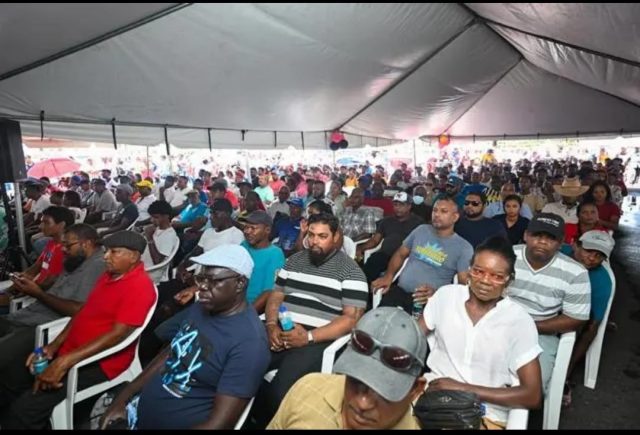
A section of the gathering at the meeting (DPI photo)


Oxford Professor: Guyana on right path to transformation

Distinguished Professor of Economics and Public Policy, Sir Paul Collier has supported the Guyana government’s insistence on using oil revenue to develop “durable assets” that complement the country’s shift toward a developed economy.

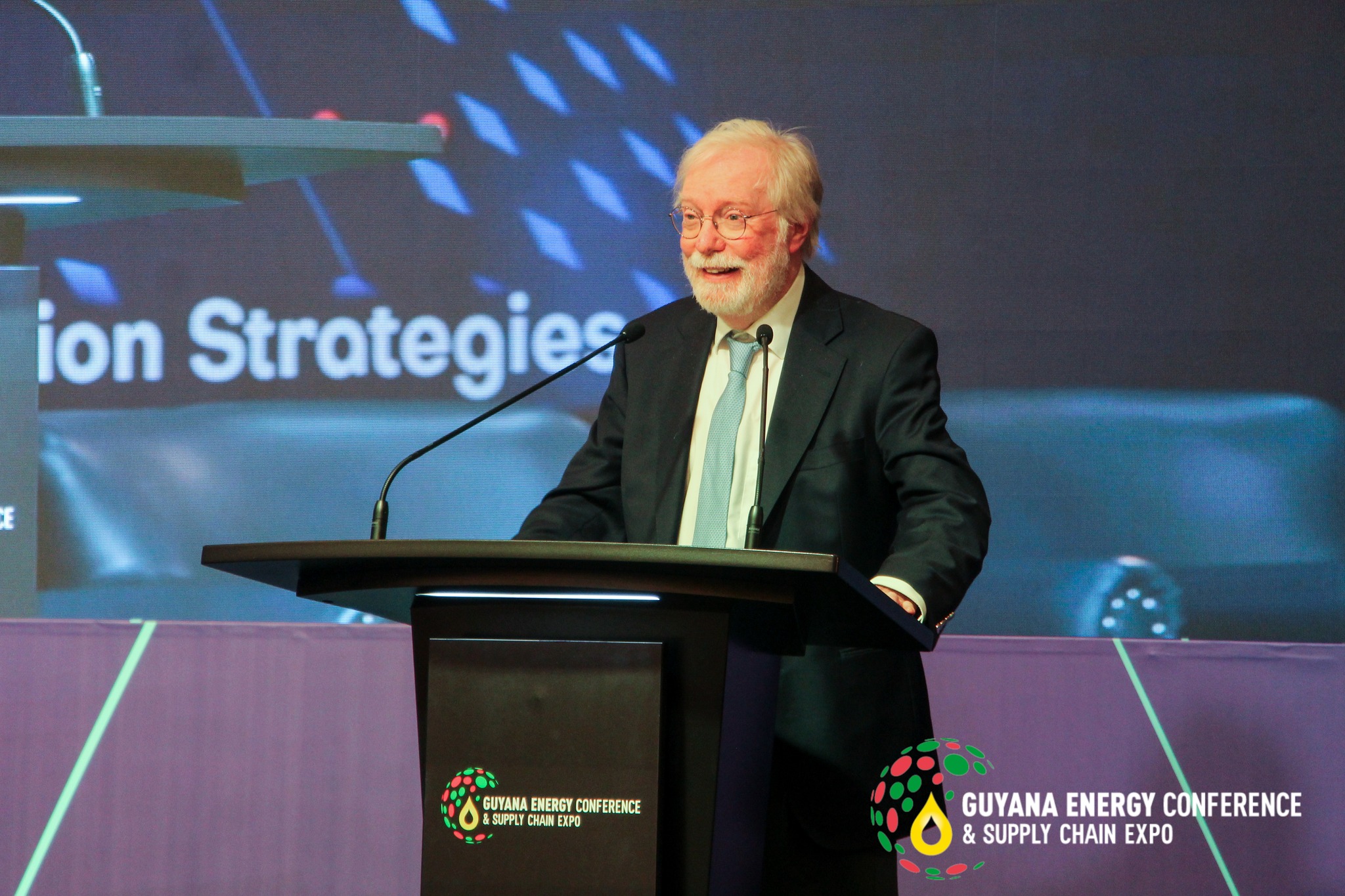
The Professor at the Blavatnik School of Government at the University of Oxford was at the time explaining how Guyana could sensibly leverage its oil wealth for critical infrastructure, when he sat down for an interview with Chief Executive Officer of the Guyana Energy Conference & Supply Chain Expo, Kiana Wilburg, on the agency’s ‘Energy Perspectives’ podcast.

Sir Paul told Wilburg that the Guyana Government is making sensible moves to develop in-country infrastructure, which will support economic development long after the oil ends.

He explained that while ExxonMobil is doing what it does best, getting the oil resource out of the ground, the Guyanese government should be focused on getting the expertise that will help to develop the relevant assets atop the ground.

He said that instead of utilising large sums of the oil funds to subsidise consumption, the government is developing sectors and assets that will support citizens’ ability to earn given the growth taking place in sectors across the country.

Sir Pual emphasised that Guyana’s oil will not last. He explained that the best scenario for Guyana is that the oil resource depletes, but the more likely scenario is that sometime in the future, around the 2040s and onward, oil prices will begin to sag as the green environment push continues, while technology and green solutions continue to advance.

By that time, Collier opined, Guyana should have in place the infrastructure that helps to build on the country’s economic successes. He noted therefore that the negative opinions aimed at the Guyanese government concentrating too much of its oil wealth on infrastructure is a “mistake”.

The Professor suggested that while citizens cannot physically eat roads, bridges and highways, “you can eat”, thanks to facilities that enable a lot more economic activity, including citizens finding more ways to earn a living.

Collier, a global-leader in poverty solutions, said that rather than subsided consumption or “handouts” to the public, it is better for citizens to be able to earn a decent living which is possible through business opportunities resulting from decent roads, electricity and other infrastructure.