77-year-old driver dies in Friendship accident

Mike Dasrat, 77, of Lot 24 Brickery, East Bank Demerara, has died after his motor jeep collided with a lorry this morning on the Friendship Public Road, East Bank Demerara.

The accident involved Motor Jeep PLL 8152, driven by Dasrat, and Motor Lorry GAE 5317, driven by Aubrey Herman Lim, 37, of Timehri.

Enquiries disclosed that the lorry was proceeding north along the western drive lane of the Friendship Public Road, while the jeep was heading south along the eastern drive lane.

The lorry driver told investigators that as he approached the vicinity of Friendship Secondary School, he observed the jeep swerving into his lane and continuing southbound in front of him. In response, he said he applied brakes, swerved westward, and stopped in an effort to avoid a collision. However, due to the short braking distance, the jeep collided head-on with the lorry.

As a result of the impact, Dasrat sustained injuries about his body. Emergency Medical Technicians arrived shortly after and removed him from the vehicle in an unconscious condition. He was taken to the Diamond Public Hospital, where he was examined by a doctor and later succumbed to his injuries at 10:34 hrs while receiving treatment, without regaining consciousness.

The body is currently at the Memorial Gardens Funeral Home, awaiting a post-mortem examination. A Notice of Intended Prosecution was prepared and served on the lorry driver, who was breathalysed; the result showed no trace of alcohol in his system.

Investigations are ongoing.

6,000 to be employed with opening of six new hospitals by September

Some 6,000 will be employed with the opening of a total of six new regional hospitals across the country by September.

The Diamond Regional Hospital will be the first to open. This opening is set for tomorrow.

Speaking during his weekly press briefing at Freedom House on Thursday, Vice President and General Secretary of the People’s Progressive Party (PPP), Dr. Bharrat Jagdeo said there have been significant improvements in healthcare infrastructure.

“By the end of August or maybe early by September we will be opening six new hospitals across the country. Diamond this weekend… that’s one of the smaller ones. And we’re building one at Enmore, Bath, Number 75, De Kinderen, Lima. For the different regions – two in Region Four, one in Five, one in Six. We have four hospitals for the hinterland regions and Linden would be upgraded– $30 million to upgrade the existing hospital, and we’re gonna upgrade Bartica, West Demerara, etcetera,” he noted.

This, Dr. Jagdeo stated, is in addition to two major hospitals currently being built in New Amsterdam and another at Ogle.

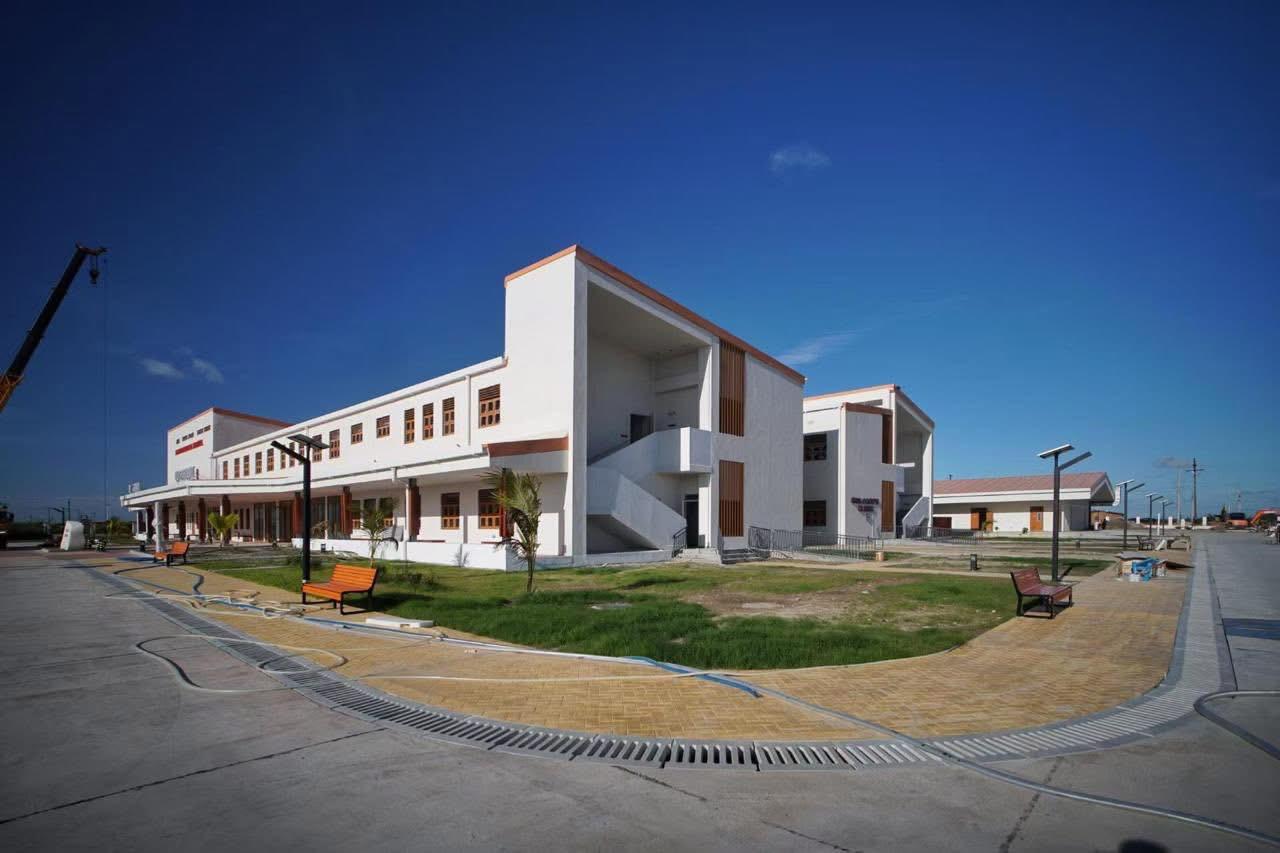
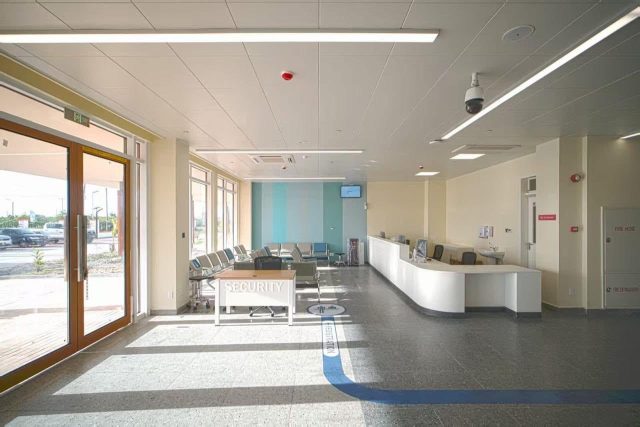
Speaking specifically about the state-of-the-art completed Diamond Hospital, Dr. Jagdeo said it has all the features of a modern hospital.

“There’s nothing in the private sector that mirrors what’s in there now. When it’s opened on Sunday, please take a walk. Even if you’re not sick. Just go through it to get a feel of our investments,” he said.

Dr. Jagdeo posited that the new hospitals which will come on stream this year will be a major boost to public health infrastructure.

“Right now we have twelve new hospitals–public hospitals that are under construction across this country that will change healthcare,” he said.

“We’re working on hiring personnel. These hospitals, we need six thousand people to work there. We’re training more people,” he added.

Additionally, he said the government is working on a national electronic patient management record system that will transform patient interaction.

“All of the vouchers for testing cervical cancer, universal healthcare voucher, getting spectacles–all of these programmes are done now,” he noted.

He further pointed to upgrades which were carried out at the Georgetown Public Hospital Corporation (GPHC).

In inside view of the hospital (OP photo)


Digital TV box to boost access to education, tackle teacher absenteeism 

The government is investing in digital learning solutions through the Ministry of Education to prepare the younger generation for Guyana’s digital future.

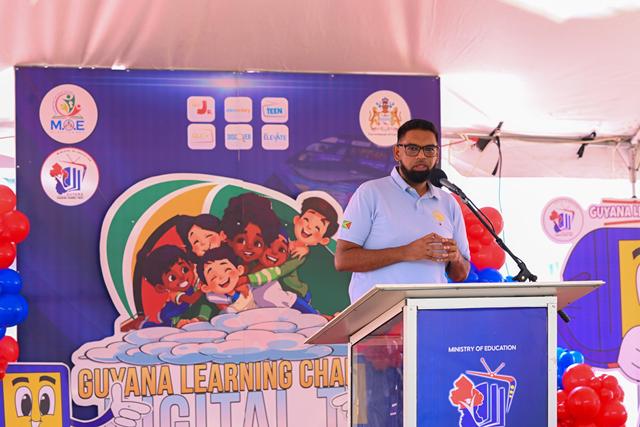
This commitment was underscored by President, Dr. Mohamed Irfaan Ali, at the launch of the Digital Learning TV Box at the Leonora Track and Field Facility on Saturday.

The Digital Learning TV Box is a device that enables households to access the newly launched digital educational channels of the Guyana Learning Channel (GLC). It serves as a bridge between traditional analog or non-ATSC-compliant smart TVs and the ATSC 3.0 digital broadcast standard, which offers improved picture and sound quality, better reception, and a more efficient use of the broadcast spectrum.

“I want to congratulate the Ministry of Education on further improving the digital platform—enhancing accessibility to education, introducing innovative learning approaches, and fostering a dynamic learning environment,” the president stated in brief remarks.

This initiative is part of a broader investment in digital transformation, aimed at creating a national digital platform that integrates education, finance, and governance.

For instance, a Digital School will soon be launched in Regions Two, Three, and Six. This initiative will provide interactive, high-quality education that is accessible to all students nationwide and even across the Caribbean. The Digital School will complement physical schools, ensuring that students in even the most remote areas have equal access to learning materials.

President Ali noted that this tool would help address issues such as teacher absenteeism and inadequate access to learning resources, ensuring continuity in education.

  1. “This [Digital TV Box] and the Digital School will complement each other, allowing our children to learn in an environment that reflects the future they will operate in. Five years from now, or even sooner, our children will be functioning in a completely new, highly digitised environment—one where artificial intelligence (AI) plays a leading role,” the head of state emphasised.

President  Ali speaking at the Launch

Gonsalves urges Caribbean embassies to lobby US over proposed tariff on Chinese ships

As concerns mount over proposed tariff on Chinese-built ships entering the region, Caribbean leaders are being urged to use their embassies in Washington to lobby Capitol Hill on the matter.

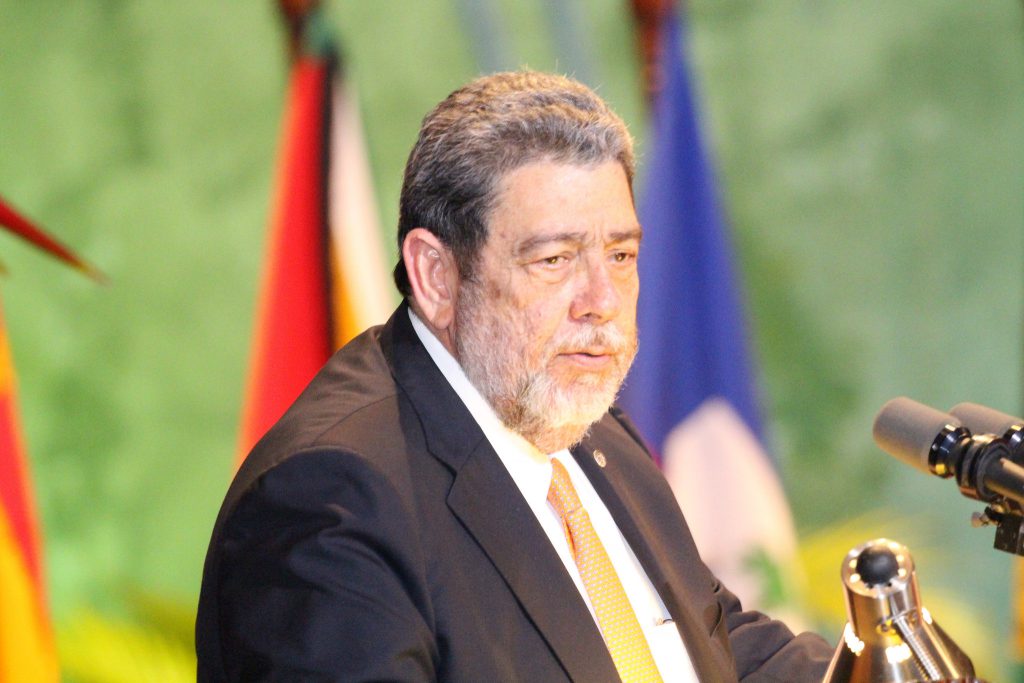
St Vincent and the Grenadines Prime Minister Ralph Gonsalves, in a public statement on Thursday, warned that the US trade measure could have severe consequences for the region. He emphasised the need for Caribbean leaders to formally register their concerns with Washington.

Gonsalves noted that while the measure will directly affect Chinese vessels and deter future purchases of Chinese-built assets, it could result in “serious supply chain disruptions and cost increases that will inevitably trickle down to consumers.”

He further explained that the new restrictions would significantly increase freight rates, which would then be passed on to consumers. This, in turn, could lead to a reduction in shipping lines serving the Caribbean, disruptions in supply chain reliability, fewer vessel calls, reduced resilience and sustainability of ports, increased port operation costs, and negative impacts on revenue, job creation, economic growth, and citizens’ well-being.


Gonsalves also expressed concerns that the measures could adversely affect the tourism and cruise ship industry, on which many Caribbean nations heavily rely.

Additionally, Gonsalves highlighted that the US trade measure’s focus on Chinese operators and fleets using Chinese-built vessels could further disrupt shipping companies conducting business in the region.

At the regional level, he suggested that CARICOM states lobby Congress and enlist the support of shipping firms that risk losing business in the region due to the policy.

Several Caribbean leaders have already voiced their concerns about the trade measure and raised the issue with US Secretary of State Marco Rubio during his two-day visit to the region earlier this week.

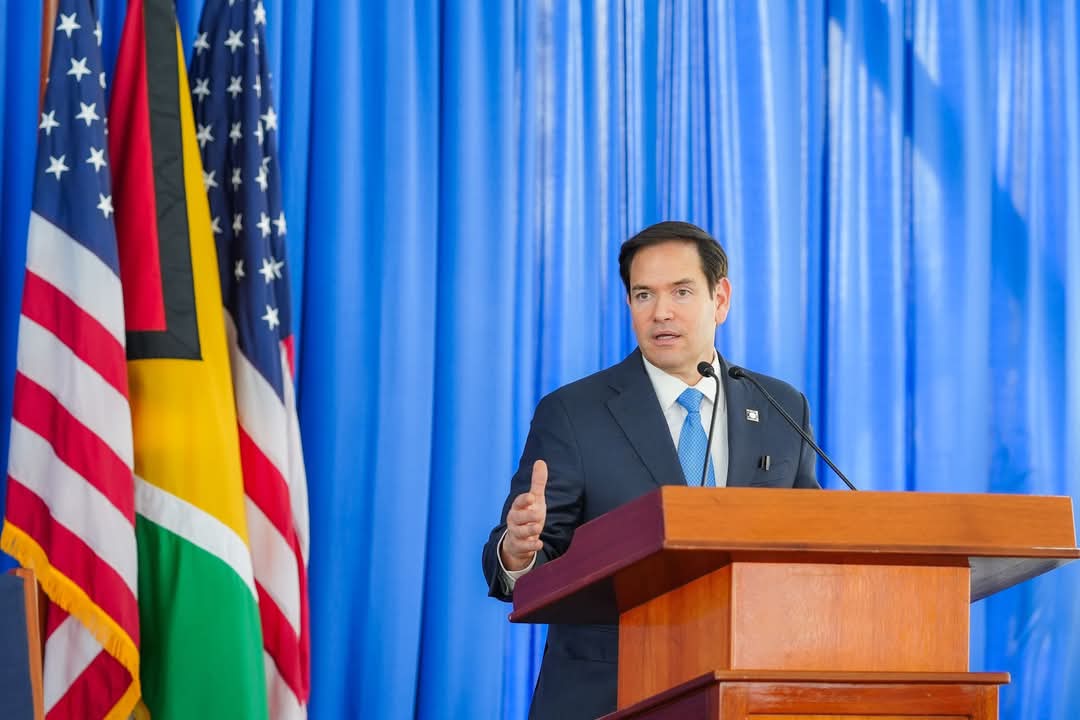
uring a joint press conference with Guyana’s President Dr Irfaan Ali on Thursday, Rubio acknowledged that the matter had been consistently raised throughout his visits to the region. He assured Caribbean nations that he would relay their concerns to Washington policymakers responsible for trade policies.

“We’re going to take it back and explain to those in charge of trade policy that there are implications to applying these measures to certain nations—nations that are partners and striving to develop their economies in ways that align with US national interests,” Rubio said.

While he could not commit to any exemptions, Rubio stated, “What I can commit to is that I will most certainly raise this issue repeatedly, in multiple forums, emphasising that it could have a real detrimental effect on economic development.”

The US government is seeking to strengthen its domestic shipbuilding industry and reduce reliance on Chinese-built vessels. Rubio stressed the importance of diversifying the global shipbuilding market.

“I think it’s dangerous to have one country in the world building all the ships. We don’t want a war, but if we ever face trouble, they’re not going to build ships for us. So we need to have alternatives to Chinese shipbuilding, and we’re trying to create a market and demand for non-Chinese ship construction,” Rubio explained.

Guyana inspiring region to focus on food security

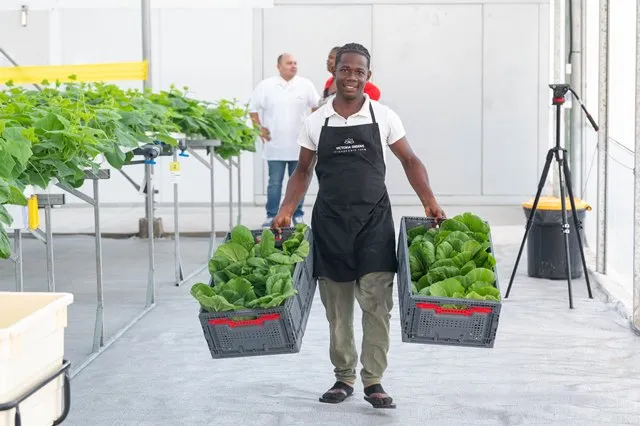
Guyana continues to perform exceptionally well in the agricultural sector, inspiring several Caribbean partners to place greater emphasis on food security.
The Caribbean Community (CARICOM) remains steadfast in its bid to reduce its multi-billion-dollar food import bill by 25 per cent.
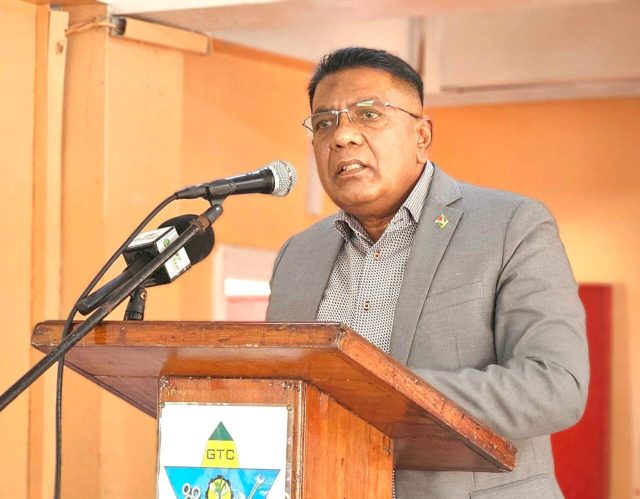
Agriculture Minister, Zulfikar Mustapha, in an interview with Ignite News, said that Guyana has played an instrumental role in rekindling and sparking new agricultural interest within the region.
“What we have done is move Guyana from a country that had lost its place in CARICOM to one that is now leading the region in terms of agriculture and food security. We have seen a renewed interest, not only in Guyana but across the Caribbean, and we have witnessed growth across the productive sectors, including traditional areas, with increased production.”
The minister noted that Guyana surpassed the 700,000-tonne mark for rice production for the first time in its history, reaching 725,000 tonnes last year. The target for 2025 is now set at 804,000 tonnes.
Apart from the sugar industry, he explained that all other areas of production, including fruits, vegetables, and livestock, have experienced extensive growth and expansion.
Additionally, Guyana has begun the commercial cultivation of new crops, including corn, soya, and other high-value produce. Increased production of prawns, embryo transplanting, and the introduction of innovative production mechanisms are all part of the government’s strategy to ensure national food security.
“What we have been doing in Guyana has captured the imagination of people in the Caribbean. Places such as Barbados, where the economy was built on tourism, and the Eastern Caribbean, are now embracing agriculture,” the minister noted.
He added that Guyana is assisting these nations in developing their agricultural sectors. For instance, a technical team is currently supporting St Lucia in establishing its shade house programme, while Trinidad and Tobago has received assistance in reviving its rice industry.

Agriculture Minister, Zulfikar Mustapha

Agriculture Minister, Zulfikar Mustapha

US aid to support host nation priorities

The United States of America (US) is not stepping away from the foreign aid business but will implement a new approach to how funds are donated to countries in need.
This was stated by Secretary of State Marco Rubio when he addressed the matter in Jamaica during his Caribbean visit earlier this week.
“The United States is not getting out of the aid business. We are going to continue providing foreign aid. The difference is that we want to provide foreign aid in a way that is strategically aligned with our foreign policy priorities and the priorities of our host country and the nation-states with whom we are partners,” the senior US official said.
He explained that, in the past, USAID agents would visit a host country and tell them what they thought the country needed, or provide aid funds to non-governmental organisations after convincing the agents of what the country supposedly required.
While it was noted that the aid may have been used for its intended purposes, Rubio pointed out that in some cases, this has not been the case.
As such, the Secretary of State said that US Embassies will now work with the governments of host nations to determine the areas where aid is most needed. Since the host government is in the best position to have a clear vision for the country’s direction, the aid provided will be in line with the government’s priorities and in support of the mandates for which they were elected.

New four-lane highway for Essequibo Coast

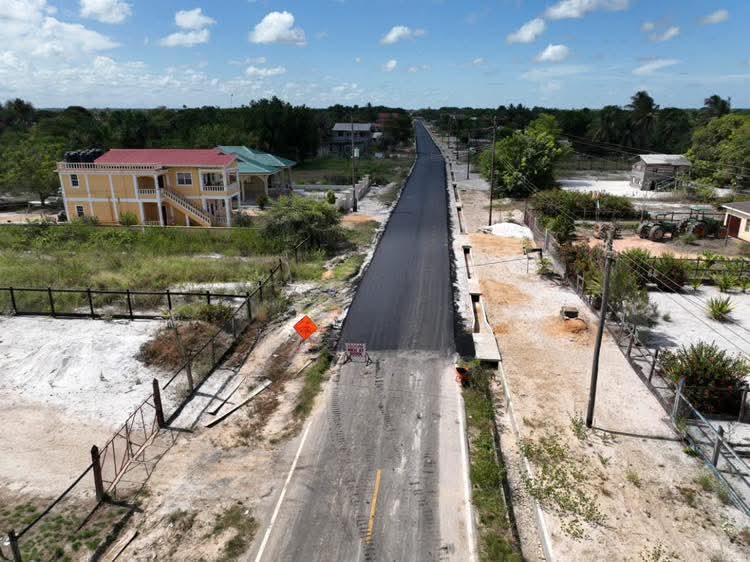
The Essequibo Coast’s main thoroughfare will be upgraded to a four-lane highway as part of the government’s ongoing infrastructure development in Region Two.

President Dr Mohamed Irfaan Ali made the announcement on Wednesday while commissioning the new $447 million Deeds and Commercial Registries Authority building.

He said the highway’s design will be finalised before the end of the year to accommodate the region’s growing traffic demands.

“While in these five years we focused heavily on community roads and community infrastructure, one of the plans and programmes that we have to commence before the end of this year is the design and rebuilding of this highway into a four-lane highway,” the president revealed.

In addition to a new ferry service, rice farmers will receive critical support from the Ministry of Agriculture to venture into the cultivation of high-value crops. This will allow farmers to earn additional income to sustain their livelihoods, President Ali explained.

This will be complemented by the development of a modern port at Charity, opening direct trade opportunities with the Caribbean and beyond.

“We will invest in a cold-freeze value chain storage for crops, for agro-processing, for packaging, and of course, specialised storage facilities will be part of that development to support our farmers in Essequibo and the Pomeroon,” he said.

The coconut industry in Region Two will also see expansion, along with enhancements to drainage and irrigation systems. To further reduce costs for farmers, the government is exploring the use of commercial drones for fertiliser and chemical application.

The Ministry of Tourism, Industry and Commerce will develop a special marketing plan to capitalise on the region’s growing tourism and hospitality sector.

This will be further supported by the second ferry that will operate on the Parika to Essequibo route, President Ali disclosed.

The region will continue to benefit from access to clean, treated water as part of the government’s efforts to expand treated water access by 90 per cent along the coast.

Meanwhile, President Ali highlighted that the Pomeroon-Supenaam region has received an injection of over $100 billion since 2020 across several sectors, including health, education, sport, and infrastructure.

Currently, a $6.6 billion modern hospital is being constructed in Lima, along with a state-of-the-art stadium at Anna Regina.(DPI)

Guyana’s oil economy remains key driver of regional growth

Guyana’s lucrative oil economy will continue to be a major contributor to regional economic growth, even as the country’s expansion is projected to slow this year.
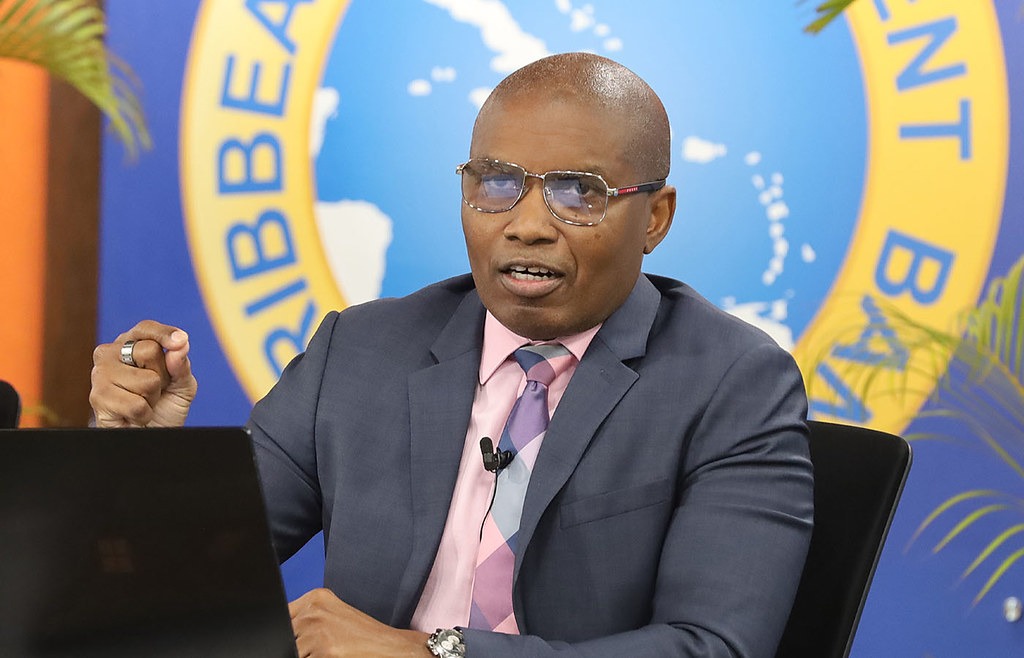
This was stated by Caribbean Development Bank (CDB) Director of Economics, Ian Durant, as he presented an overview of the Caribbean’s 2024 performance and the region’s 2025 trajectory at the CDB’s Annual News Conference on Wednesday.
“Guyana was again the standout performer, with the economy surging by 43.5 per cent, fuelled by increased oil production and continued expansion in its non-energy sectors. As a result, when we include Guyana’s performance, regional growth rises to 8.8 per cent in 2024, up from 6.6 per cent in 2023, highlighting the country’s significant influence on regional economic growth,” the director noted.
He pointed out that most Caribbean nations were experiencing moderate recovery from severe economic shocks, including the COVID-19 pandemic, which caused major supply chain disruptions, high inflation, and geopolitical tensions.
Haiti, in particular, remains in crisis, grappling with political instability, escalating gang violence, and high inflation, resulting in its sixth consecutive year of economic contraction.

For most other countries, growth was moderate, with commodity-exporting nations such as Trinidad and Tobago and Suriname continuing their gradual recovery from the COVID-19 pandemic. Meanwhile, service-exporting economies—many of which have surpassed pre-pandemic output levels—grew at a slower pace of 1.6 per cent in 2024, down from 2.8 per cent in 2023, as economic activity returned to more normal patterns.
Tourism remained a key driver of growth, with 6.8 million stay-over arrivals recorded in the first three quarters of 2023. More than half of the CDB’s member countries have now exceeded pre-pandemic levels, with some even setting new records.
Looking ahead, however, regional growth is expected to remain moderate in 2025, excluding Guyana. The CDB projects regional growth of 2.5 per cent, with performance varying across borrowing member countries.
Durant stated that Guyana’s economic expansion is expected to slow to 11.9 per cent following its rapid growth in 2024.
“Nevertheless, the country’s performance will remain a key contributor to the region’s economic growth. Hence, when including all 19 borrowing member countries, the region is forecast to grow by 4.6 per cent,” he noted.
Last year, Durant highlighted that higher oil production in Guyana was a significant driver of average regional growth in 2023. Production increased by 35.2 per cent, influencing growth in non-energy sectors and contributing to an overall expansion of Guyana’s economy by 32.9 per cent.

Toddler dies in gate accident

Police are investigating the tragic death of three-year-old Alaia Etwaroo, a preschool pupil from the Essequibo Coast, who was fatally injured when a metal gate fell on her.
The incident occurred around 17:20 hrs on Wednesday at Lot 98, ‘EX Mouth,’ Essequibo Coast.
According to reports, Alaia lived at the residence with her mother, Saudia Hannif, 28, a housewife; her father, Ganesh Etwaroo, 30, a rice farmer; and other family members.
Ganesh Etwaroo stated that at the time of the incident, Alaia and her four-year-old sister, Sarfeena, were playing on the western side of the yard when their mother heard a loud noise coming from that area.
Upon checking, Hannif discovered Alaia lying on the ground with a metal gate on top of her. The child was bleeding from a wound on her forehead.
She was immediately rushed to the Charity Public Hospital, where she was pronounced dead on arrival.
Police reports indicate that the metal gate, measuring approximately ten feet in length and six feet in height, was found on the ground with what appeared to be bloodstains in the immediate vicinity.
Investigations into the incident are ongoing.

Social Workers’ Bill to soon come on stream

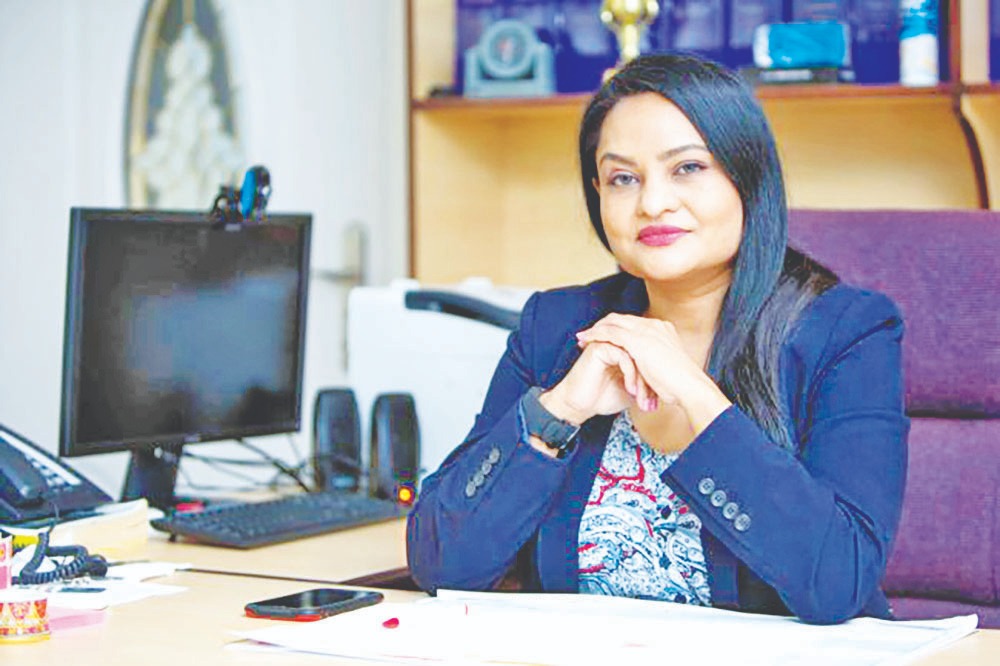
The Ministry of Human Services and Social Security is moving closer to securing the Social Workers’ Bill, Human Services and Social Security Minister, Dr Vindhya Persaud, has said.
She made the disclosure during a virtual address to social workers on the occasion of World Social Work Day at the University of Guyana on Tuesday.
Dr Persaud stated that the legislation seeks to provide registration and licensure, as well as to develop a Social Work Council that monitors, regulates, and maintains the accountability of social workers.
“In the coming months, we will be introducing several key programmes and legislation aimed at expanding social support services across our nation. The Social Workers’ Bill is nearing completion and has benefited from input by Miss Hopkinson and her team… The legislation also speaks to the nomenclature of social workers, identifying various categories of social work. In addition, the Ministry of Human Services and Social Security is poised to introduce a new paraprofessional course in collaboration with the Social Work Department of the University of Guyana for aspiring social workers in hinterland, rural, and remote communities,” Dr Persaud indicated.
She added that the course will provide individuals with the opportunity to study, work, and gain entry to diploma programmes at the University of Guyana. It will also address critical gaps in social work service provision in underserved areas and aims to make therapy and counselling accessible to every citizen, as well as to provide assistance to vulnerable groups.
Minister Persaud emphasised that the need for skilled, passionate social workers has never been greater.
However, she stressed that there are too many complaints regarding a lack of professionalism and poor mannerisms in the treatment of persons by social workers. She urged social work students to bring about the much-needed change as they transition into the workforce.
Nonetheless, the minister acknowledged the contributions and impact of social workers, noting that their dedication and compassion transform lives every day.
“As we continue to face unprecedented challenges in our world today, the need for skilled, passionate social workers has never been greater. We need you to be the next generation of leaders, innovators, and advocates who will ensure that no one is left behind and whose work ethic will embody the ethos, ideals, and principles of social work, where the client’s well-being and welfare are paramount,” she stressed.