US CDC ends guidance that all newborns should get hepatitis B vaccine, in major policy shift

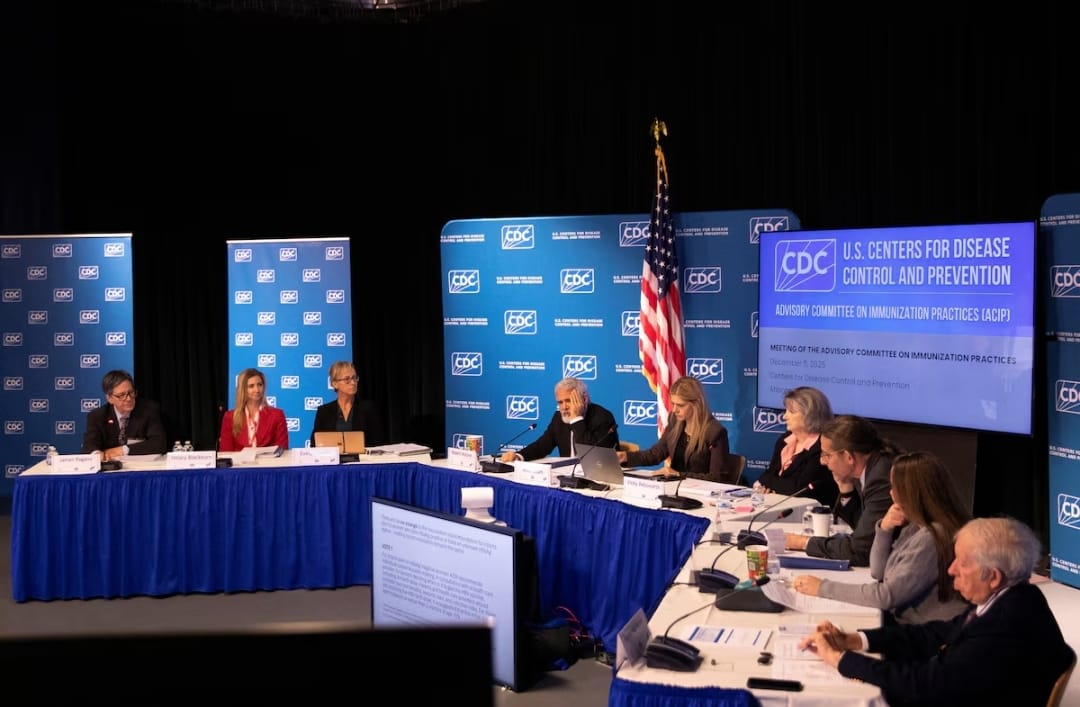
The US Centers for Disease Control and Prevention on Tuesday ended a long-standing recommendation that all US newborns receive the hepatitis B vaccine, leaving it instead to parents, in consultation with a healthcare provider, to decide whether infants born to hepatitis B-negative mothers should get the vaccine, including the birth dose.

The agency’s move follows a recommendation from Health Secretary Robert F. Kennedy Jr.’s vaccine advisory panel that entails a major change in healthcare policy. Earlier this month, the panel recommended that a birth dose should only be given to newborns whose mothers test positive for hepatitis B or whose status is unknown, which the CDC approved as policy on Tuesday.

If parents choose not to vaccinate their newborn at birth but feel vaccination is warranted, the agency now recommends that they wait at least two months before giving the child a first dose of the vaccine.

Since 1991, US health officials have recommended universal vaccination for infants against hepatitis B, with the first of three shots administered very soon after birth.

The agency’s recommendations affect US health insurance coverage and play a key role in assisting physicians in choosing appropriate vaccines for patients.

Experts warn the new recommendation, which the CDC described as individual-based decision-making, could expose more children to the harmful virus and could lead to more families opting out of vaccination in the absence of a firm federal policy in place. Kennedy is a longtime anti-vaccine activist who has made far-reaching changes to US vaccination policy.

Dr. Emily Landon, an infectious diseases expert at the University of Chicago Medicine, said the CDC’s advisory panel’s job is to help clinicians interpret piles of science and help them make good decisions on how to care for their patients.

“This recommendation is ignoring the science. The fact that the acting director of the CDC would sign on to this just continues to reinforce that they are no longer committed to science-based recommendations for improving health,” Landon said.

Hepatitis B can lead to serious liver disease and is primarily spread through blood, semen, or certain other body fluids. It can also be spread by close contact with people who do not know they are infected, such as caregivers or friends.

Hepatitis B infections have fallen nearly 90 per cent in the US, from 9.6 per 100,000 individuals before vaccination became widespread to about one per 100,000 in 2018.

The agency said it is reviewing the committee’s secondary recommendation that parents should consult with a healthcare provider on antibody testing to determine whether a subsequent hepatitis B vaccine dose is needed. (Reuters)
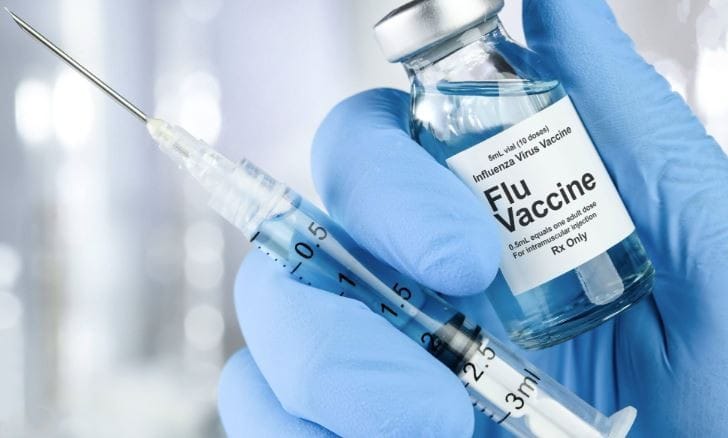
Influenza vaccine for seniors to be rolled out soon

While flu seasons vary in severity, people 65 years and older bear the greatest burden of severe flu complications. In recent years, the US Centres for Disease Control and Prevention (CDC) estimated that between 70 per cent and 85 per cent of seasonal flu-related deaths have occurred among people 65 years and older, and between 50 per cent and 70 per cent of seasonal flu-related hospitalisations have occurred among people in this age group.
The introduction of this vaccine in Guyana would help prevent flu-related illnesses and deaths.
“Very soon, we will also introduce the influenza vaccine for all our seniors,” the minister declared, underscoring that prevention is a cornerstone of the People’s Progressive Party/Civic (PPP/C) Government’s health strategy.
Minister Anthony stressed that the expansion of vaccination programmes goes hand in hand with the government’s broader vision of strengthening primary healthcare and ensuring early intervention. In addition to children’s vaccines, the government has already introduced the nine-valent HPV vaccine, one of the most advanced of its kind in the region, aimed at eliminating cervical cancer in Guyana.
“We want to practice good, preventative medicine… because to fight disease, you have to start with healthy people,” he said.
The health sector has also seen major advancements in technology, with the rollout of electronic health records at the Georgetown Public Hospital Corporation, telemedicine platforms in hinterland communities, and pilot programmes for online appointments. Artificial intelligence is also being introduced to assist with diagnostic imaging.
Dr Anthony also highlighted the broader impact of reforms. “We are also ensuring that hearing aids, prosthetics, wheelchairs, spectacles, and dialysis services are free for the people of Guyana. This is what it means to be a caring government.”
He further noted that Guyana is leading the Caribbean in programmes such as Hepatitis C treatment and is on the verge of eliminating diseases like filaria, leprosy, and Chagas by 2030. (DPI)

Guyana to introduce 9-valent HPV vaccine in cervical cancer fight

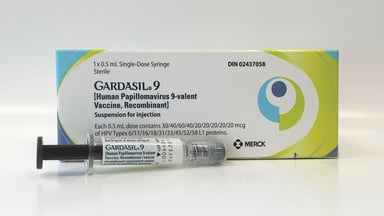
Guyana will transition from the quadrivalent to the 9-valent Human Papillomavirus (HPV) vaccine as part of its national strategy to eliminate cervical cancer.

The announcement was made by Health Minister Dr Frank Anthony during a recent Cardiology Symposium at the Arthur Chung Conference Centre.

The 9-valent vaccine provides broader protection against HPV strains compared to its predecessor and is expected to strengthen the country’s preventive efforts, said Dr Anthony.

Health authorities aim to build on existing high coverage rates, with national vaccination levels reported at nearly 90 per cent.

The initiative forms part of a wider cancer prevention and treatment agenda. In addition to the HPV vaccine upgrade, the government has launched a programme focused on prostate cancer, offering Prostate-Specific Antigen (PSA) testing and biopsies to support early diagnosis and timely intervention.

The ministry also plans to enhance oncology services through the development of a specialised cancer care facility at the upcoming maternal and paediatric hospital. The centre, a collaboration with the Mount Sinai Health System, will provide advanced diagnostic and treatment options for cancer patients.

Agreements signed, paving way for vaccine manufacturing in the region

President Dr Irfaan Ali on Thursday oversaw the execution of two significant Memoranda of Understanding (MoUs) on the sidelines of the 48th Regular Meeting of the Conference of Heads of Government of CARICOM in Barbados.

The event was also witnessed by European Commission President Ursula von der Leyen, Barbados’s Prime Minister and current CARICOM Chair, Mia Mottley, and Prime Minister of Grenada, Dickon Mitchell, the Office of the President said in a Facebook post.

The first MoU, signed by Guyana’s Foreign Affairs Minister, Hugh Todd, on behalf of Guyana, involves technical assistance from the Government of Lithuania to Guyana and Barbados. This agreement aims to strengthen pharmaceutical regulatory services, paving the way for vaccine manufacturing in the region.

The second MoU focuses on the exploration of digital telecommunication services for the Caribbean. This agreement was established between the Spanish company HISPASAT and the CARICOM Telecommunications Union.

President Ali, President von der Leyen, Prime Minister Mottley, and Prime Minister Mitchell underscored the importance of these agreements in fostering regional development and cooperation in crucial sectors.