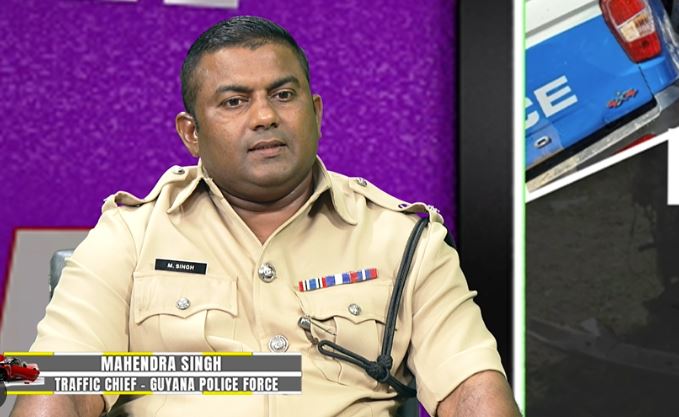
89,500 cases of speeding, 68 deaths recorded

With growing concerns over road safety, deaths caused by speeding, and traffic violations, Traffic Chief Mahendra Singh says his department is working to ensure safety.

Speaking on the latest episode of “Safeguarding Our Nation”, which aired earlier today, Singh disclosed that 139,000 drivers were charged for traffic violations in 2024.

Last year, 117 fatal accidents were recorded by the Guyana Police Force (GPF) Traffic Department, which resulted in 132 deaths, while this year has already seen 63 fatal accidents, resulting in 68 deaths.

“This is a genuine concern for us at the traffic department, because one life lost on the road is one too many. Younger folks continue to speed and when accidents occur young people also lose their lives. Our enforcement postures have taken into consideration what prevails…we’ve yielded through our efforts 139,000 plus cases in 2024. In 2025 so far, we’ve recorded 89,506 cases for all offences,” Singh disclosed.

Singh also noted that lorries have been major violators on the roadways, as he shared strategies which are in place to remedy the situation.

“Motor lorries have been consistently flagged with the offences of speeding. Motor lorry drivers also pose a significant threat by their unsafe behaviour to rural and urban road users. Noting this, we have partnered with the Ministry of Public Works to establish weight stations,” he said.

Singh outlined that soon there will be the introduction of speed limit devices, which will be installed on lorries, and multiple police outposts are being established in high-volume traffic areas.

He added that minibuses also pose a challenge as it relates to speeding violations, overloading, and loud music; hence, the traffic department’s enforcement posture caters specifically to these offences.

“We engage the drivers, the owners and the passengers for important feedback on the process, and we’ve tightened the entire process of obtaining certificates of fitness and the road service licence which they require to operate,” he said.

According to data, of the 117 fatal accidents in 2024, eight involved minibuses, but of the 63 so far, only one has.

Singh said the significant advancement in the use of speed traffic cameras, automated e-ticketing systems, and surveillance cameras with the recent implementation of the Safe Road Intelligence System has since resulted in the issuance of over 4,000 e-speeding tickets.

He noted that the speed cameras are now being implemented in spaces across the country to ensure greater scope for monitoring, enforcement, and clearer control, as calls are being made for stricter enforcement.

Singh added that dedicated television and radio programmes continue to spread the word about road safety, as he also urged parents to have continuous discussions with their children about road safety.
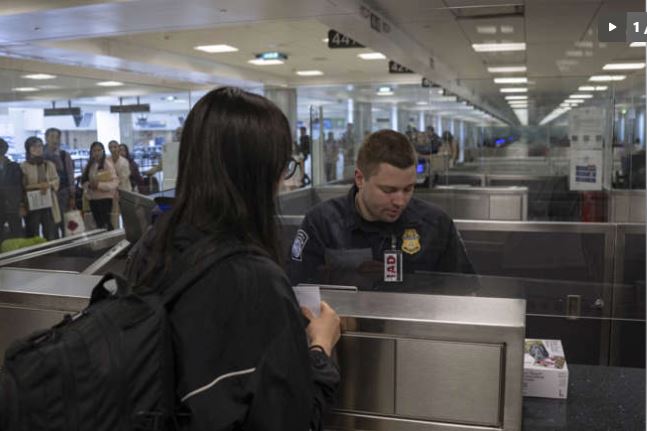
Visiting the US will soon require a US$250 ‘visa integrity fee’

The United States will require international visitors to pay a new “visa integrity fee” of at least US$250, added to existing visa costs, according to a provision in the Trump administration’s recently enacted domestic policy bill.

The fee will apply to all visitors who are required to obtain nonimmigrant visas to enter the United States. This includes many leisure and business travellers, international students and other temporary visitors. In fiscal year 2024, the US issued nearly 11 million nonimmigrant visas, according to State Department figures.

Tourists and business travellers from countries that are part of the Visa Waiver Program, including Australia and many European countries, aren’t required to obtain visas for stays of 90 days or less. The Electronic System for Travel Authorisation (ESTA) fees associated with the programme are expected to increase to at least US$40, according to the bill, nearly double the current amount.

Payment of the new “integrity fee” for nonimmigrant visas will be required at the time visas are issued, and there will be no fee waivers. Travellers who comply with their visa conditions can have their fees reimbursed after the trip is over, according to the provision.

Immigration attorney Steven A. Brown, a partner at Houston-based Reddy Neumann Brown PC, characterised the fee as a “refundable security deposit,” in a recent post about the new policy. The mechanism for obtaining a refund is still unclear, Brown pointed out.

“In terms of the purpose of the fee, it’s hard to say,” Brown said in an email to CNN. “Generally, immigration fees are to cover the expense of adjudication or issuance,” but he noted that the reimbursement provision could mean refunding all of the fees gained. “In a perfect world, there would be no overstays or visa violations.”

The Department of Homeland Security, the agency instituting the new fee, has not yet offered specifics about the refund process or any other aspects of the policy’s rollout.

“The visa integrity fee requires cross-agency coordination before implementation,” a Department of Homeland Security spokesperson said in a statement to CNN.

A State Department spokesperson said the fee was established “to support the administration’s priorities of strengthening immigration enforcement, deterring visa overstays, and funding border security.”

Fees that aren’t reimbursed will be “deposited into the general fund of the Treasury,” the provision in the bill says.

The initial fee, for fiscal year 2025, is outlined as the greater of either US$250 or “such amount as the Secretary of Homeland Security may establish, by rule.”

Brown suggested that the rule is likely to be implemented through a rulemaking process involving its publication in the Federal Register.

The fee is subject to annual adjustments for inflation.

The State Department spokesperson said details related to the change, implemented by DHS, will be posted on the State Department’s visa information page.

The US Travel Association, a national nonprofit organisation aimed at increasing travel to and within the United States, praised other parts of the domestic policy bill that would invest in modernising customs and air traffic control, but called the new visa fee “a giant leap backwards.”

“This fee, which will be at least US$250 and comes on top of existing visa fees, adds an unnecessary financial barrier for international visitors,” said Erik Hansen, senior vice president of government relations for the association, in a statement.

According to US Travel’s calculation, the fee would boost the “upfront costs” of visiting the US by 144 per cent. “Even if it is technically reimbursable, the added complexity and cost will discourage visitors,” Hansen said.

Hansen pointed out that many visas are valid for 10 years.

“So while the fee is a temporary charge aimed at ensuring compliance, the visa term can often be long enough where it won’t feel temporary and raises challenges with implementing a refund,” he said. (CNN)

Tensions rise as Lula blasts US over visa sanctions tied to Bolsonaro trial

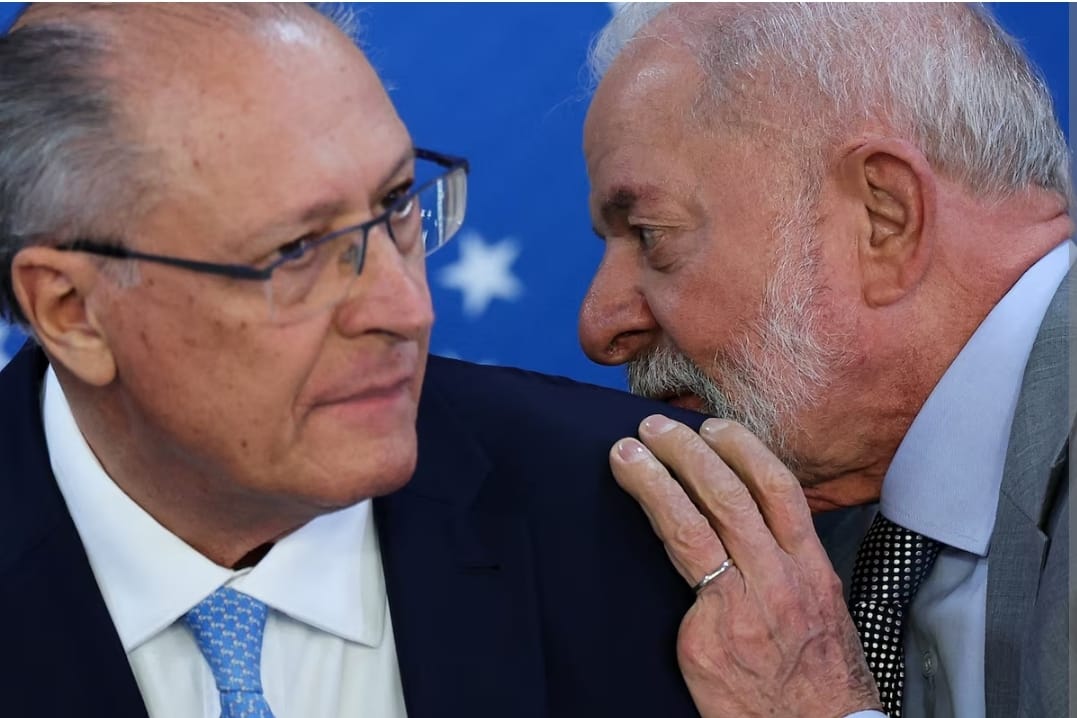
Brazilian President Luiz Inacio Lula da Silva called a US decision to impose visa bans on officials involved in former President Jair Bolsonaro’s trial “arbitrary” and “baseless,” and said foreign interference in the judiciary was “unacceptable.”

In a statement on Saturday, the leftist leader said the action violated fundamental principles of respect and sovereignty between nations.

In an escalation of tensions between the US President and the government of Latin America’s largest economy, Washington on Friday imposed sanctions on Supreme Court Justice Alexandre de Moraes, his family and other unnamed court officials.

The visa bans were a response to the Supreme Court’s decision to issue search warrants and restraining orders targeting Trump ally Bolsonaro, who is accused of plotting a coup to overturn the results of a 2022 election he lost.

“I am certain that no form of intimidation or threat, from anyone, will compromise the most important mission of Brazil’s powers and institutions, which is to permanently defend and uphold the democratic rule of law,” said Lula.

Solicitor general Jorge Messias, the top judicial official for Lula’s executive branch, said in a statement posted on X late Friday that Prosecutor General Paulo Gonet was also targeted by the ban.

Messias said no “improper maneuver” or “sordid conspiratorial act” would intimidate the judiciary in carrying out its duties with independence, as he condemned what he also described as arbitrary US visa revocations targeting Brazilian officials for fulfilling their constitutional responsibilities.

In addition to Moraes, seven other justices from Brazil’s 11-member Supreme Court were also hit by the US visa restrictions, Government Institutional Relations Minister Gleisi Hoffmann said on Friday.

They include justices Luis Roberto Barroso, Dias Toffoli, Cristiano Zanin, Flavio Dino, Carmen Lucia, Edson Fachin, and Gilmar Mendes.

The Prosecutor General’s Office and the Supreme Court did not immediately respond to requests for comment.

Trump has criticised the proceedings against Bolsonaro as a “witch hunt”, a term he has used to describe his own treatment by political opponents. In a letter last week, he announced a 50 per cent tariff on Brazilian goods starting August 1, opening the message with criticism of the trial.

Bolsonaro is on trial before Brazil’s Supreme Court on charges of plotting a coup to stop Lula from taking office in January 2023. (Reuters)